


Introduction
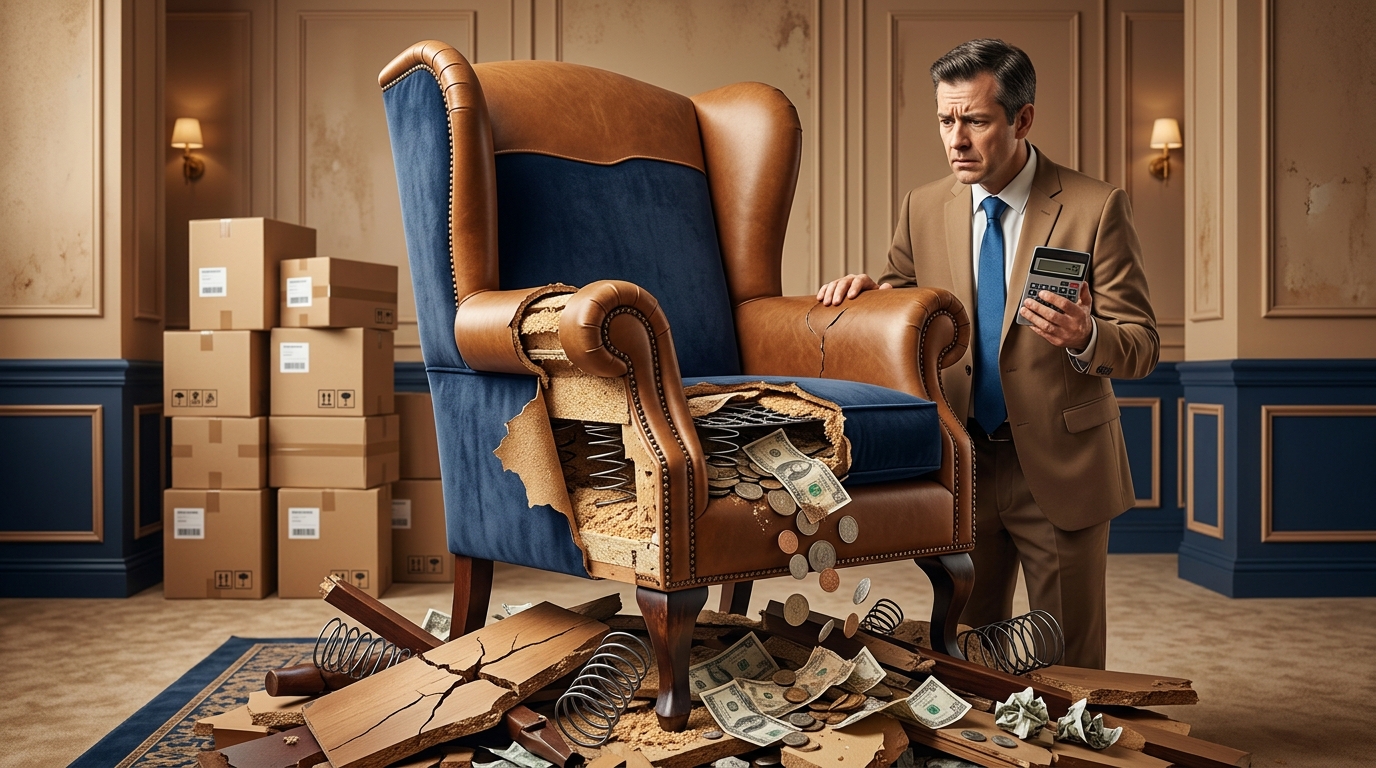
Low-cost hotel furniture may reduce upfront spend, but it is a strategic mistake. In hospitality, furniture is a high-usage asset that must perform under constant pressure.
The Illusion of Savings
Cheap furniture leads to:
- Rapid wear and tear
- Frequent replacements
- Decline in room quality
Initial savings quickly turn into ongoing operational costs.
Lifecycle Cost Matters
Smart operators focus on Total Cost of Ownership, not just purchase price.
Key factors include:
- Lifespan under daily use
- Maintenance frequency
- Replacement cycles
- Impact on guest satisfaction
Low-quality furniture fails faster—costing more over time.
Operational Impact
Frequent repairs and replacements result in:
- Room downtime and lost revenue
- Increased operational pressure
- Negative guest reviews
Even minor defects affect perception and ratings.
Conclusion
Cheap furniture is expensive in the long run.
Professional operators invest in durability and performance—because in hospitality, every detail impacts revenue.